
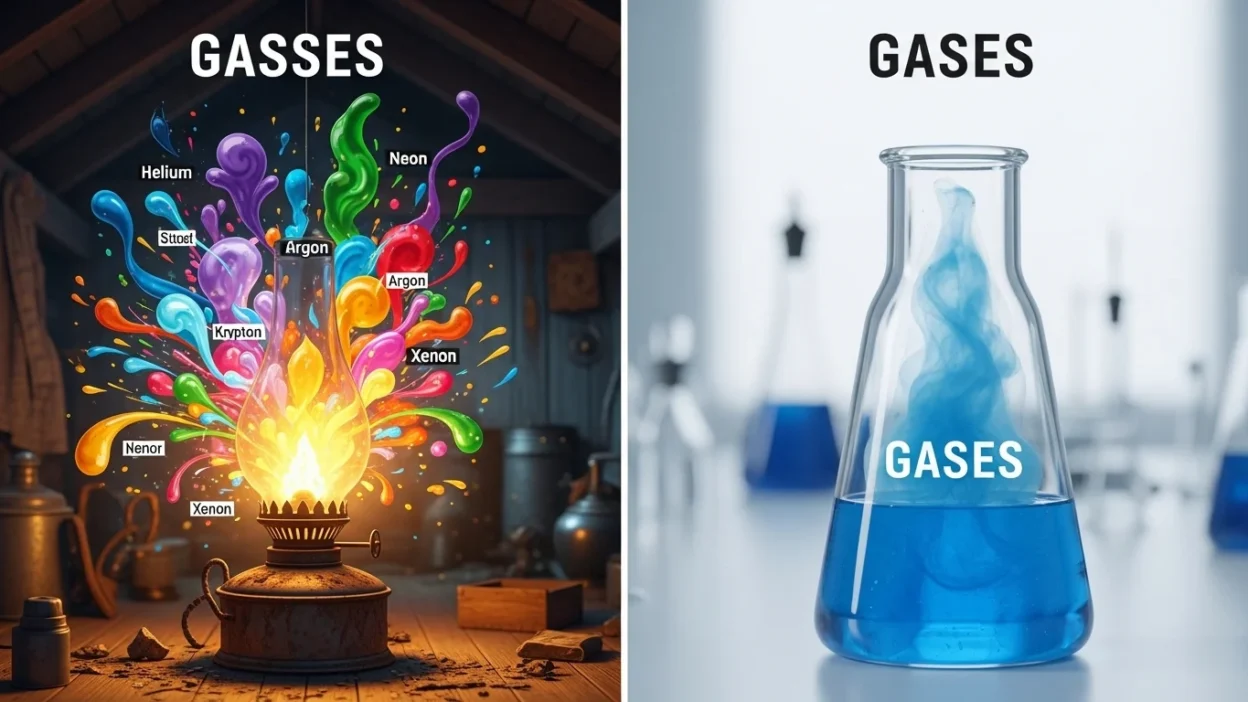
Many learners and even native speakers feel unsure about “gasses” and “gases.” Both look correct at first glance. They sound almost the same. Because of this, people often use them without thinking.
But here’s the truth: these two words are not used in the same way. One is common and correct in most situations. The other is rare and used only in special cases.
This guide will explain everything in very simple English, so you can understand it clearly the first time.
Quick Answer
- “Gases” → ✅ Correct plural of gas (used almost always)
- “Gasses” → ⚠️ Rare; used as a verb (not a plural noun)
- If you are talking about air, oxygen, or science, use “gases”
- If you are talking about an action (to gas someone), then “gasses” may be used
👉 In simple words:
99% of the time, you should use “gases.”
Simple Background: Where Do These Words Come From?
The word “gas” comes from science. It describes a state of matter, like air.
Examples of gases:
- Oxygen
- Carbon dioxide
- Nitrogen
When we make a plural in English, we usually add -s or -es.
So:
- gas → gases
This is normal and follows common spelling rules.
But English also has verbs. The word “gas” can also be a verb, meaning:
- to fill with gas
- to expose someone to gas
When we change this verb into present tense (he/she/it), we add -es, which creates:
- gas → gasses
That’s where the confusion starts.
Clear Explanation of the Difference
Let’s make it very simple.
1. “Gases” (Noun – Most Common)
“Gases” is the plural form of gas.
You use it when talking about:
- science
- air
- chemicals
- environment
✔ Example:
- The air contains many gases.
2. “Gasses” (Verb – Rare Use)
“Gasses” is a verb form.
It means:
- someone is releasing gas
- someone is exposing others to gas
✔ Example:
- The factory gasses the area at night.
This usage is not common in daily conversation, especially for beginners.
Comparison Table
| Feature | Gases | Gasses |
| Word type | Noun (plural) | Verb |
| Meaning | More than one gas | Action of releasing gas |
| Usage frequency | Very common | Rare |
| Used in science? | Yes | No |
| Example | The gases are harmful | He gasses the room |
| Recommended? | Yes (almost always) | Only in special cases |
Which One Should You Use?
Use “gases” when:
- You talk about science
- You describe air or pollution
- You mention chemical substances
- You write for school, exams, or daily use
✔ Examples:
- Greenhouse gases cause global warming.
- Different gases mix in the air.
Use “gasses” when:
- You are using “gas” as a verb
- You describe an action
✔ Example:
- The machine gasses the chamber.
👉 But remember:
This situation is rare, especially for learners.
Common Mistakes People Make
❌ Mistake 1: Using “gasses” as a plural
- Wrong: The air has many harmful gasses.
- Correct: The air has many harmful gases.
❌ Mistake 2: Thinking both are always correct
Many people believe both forms can be used anywhere.
This is not true.
👉 Only “gases” is correct as a plural noun.
❌ Mistake 3: Overthinking spelling rules
Some learners think:
- “gas” ends with “s,” so maybe it needs “ss”
But English does not work like that here.
✔ Correct plural:
- gas → gases (not gasses)
Everyday Real-Life Examples
1. In Emails
- The lab studies different gases in the atmosphere.
- We need to measure harmful gases in the building.
2. In News
- Scientists warn about rising greenhouse gases.
- Toxic gases were found in the factory.
3. On Social Media
- Air pollution is caused by dangerous gases.
- Cars release harmful gases every day.
4. In Daily Conversation
- Some gases have no smell.
- Cooking can release natural gases.
5. Rare Verb Example
- The device gasses the container before sealing it.
👉 Notice how uncommon this is compared to “gases.”
Learning Section for Students and Beginners
Here’s a very easy way to remember:
Trick 1:
If you can replace the word with “types of air”, use:
👉 gases
Trick 2:
If the word shows an action (doing something), it may be:
👉 gasses
Practice Sentences
Fill in the blank:
- The air contains many ______.
- The factory releases harmful ______.
- The machine ______ the chamber.
✔ Answers:
- gases
- gases
- gasses
Quick Memory Tip
👉 “Gases” = things
👉 “Gasses” = action
FAQ Section
1. Is “gasses” ever correct?
Yes, but only as a verb, not as a plural noun.
2. Which one should I use in exams?
Always use “gases” when talking about more than one gas.
3. Why does “gas” become “gases” and not “gass”?
Because English adds -es to words ending in “s” to make them plural.
4. Do native speakers use “gasses” often?
No, it is rare in everyday language.
5. Is “gasses” wrong in science writing?
Yes, if you mean plural.
Correct form: gases
6. Can both words sound the same?
Yes, they sound very similar, which causes confusion.
7. Is this mistake common?
Yes, many learners and even fluent speakers make this mistake.
8. What is the safest choice?
Use “gases” unless you are very sure you need the verb form.
Conclusion
The difference between “gasses” and “gases” is simple once you understand it.
- “Gases” is the correct and common plural form
- “Gasses” is a rare verb form
For students, beginners, and everyday use, the safest rule is:
👉 Always use “gases” when talking about more than one gas.
If you remember this one rule, you will avoid almost all mistakes.
Keep it simple, and you’ll get it right every time.

Gregory Alexander is a skilled writer and language researcher at WordHuts.com. He focuses on clarifying confusing word pairs, grammar rules, and common usage mistakes. With a passion for precise communication, Gregory creates simple, easy-to-understand content that helps readers strengthen vocabulary, writing accuracy, and everyday English skills.